In the early 1900's Newcastle developed an network of tramlines to serve the city and its suburbs. The Newcastle Corporation even built a dedicated power station at Manors to power the system. This is a 1901 Tram built by Hurst Nelson and Co. Motherwell for Newcastle Corporation Tramways, and you can still have a ride on it today at Beamish Open Air Museum in County Durham.

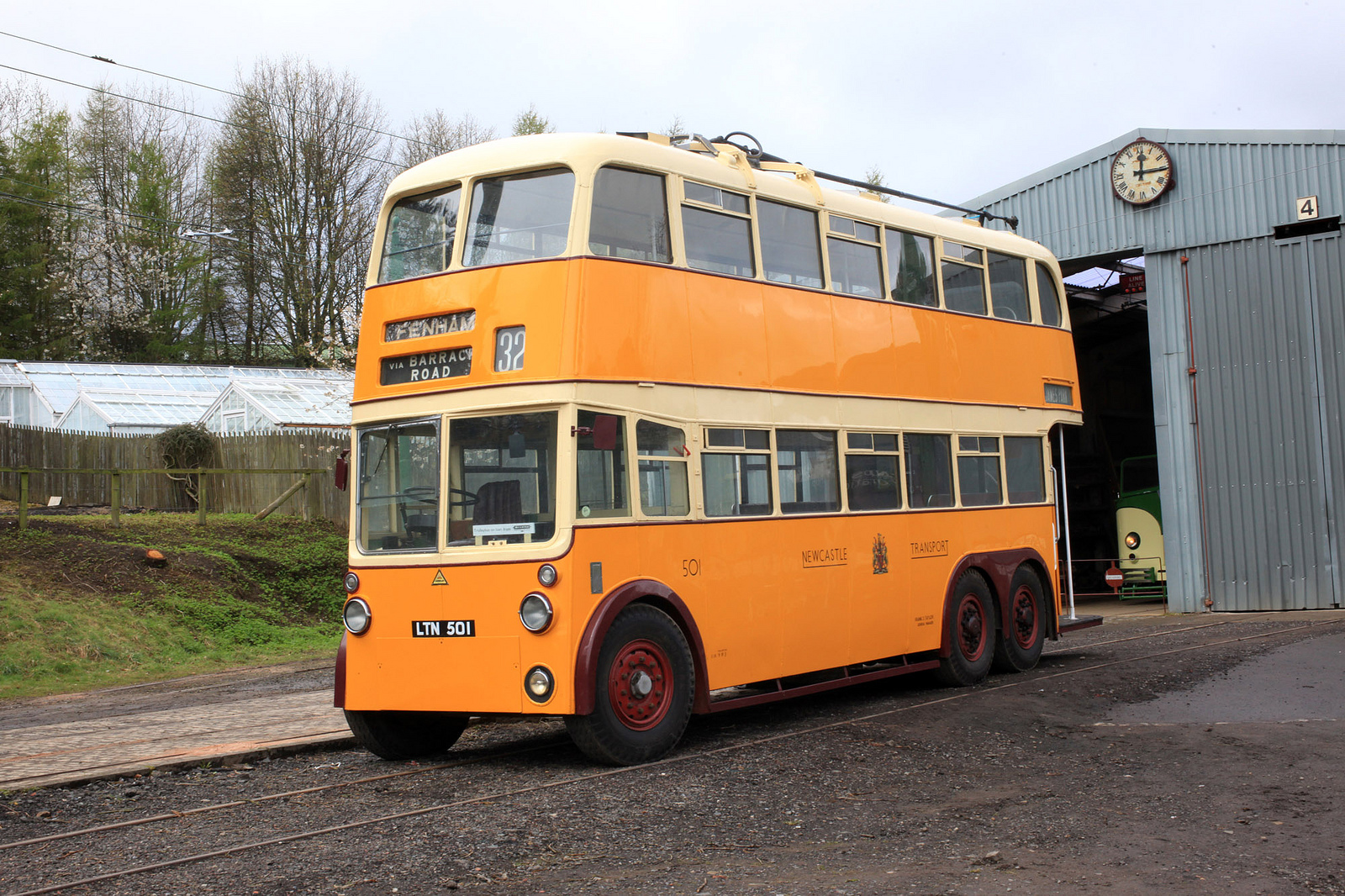
In the mid 1930's A trolley Bus network for the City and its suburbs was established and gradually replaced the tramways. This is a Sunbeam S7 three-axle trolleybus, and was delivered on 27 July 1948. Newcastle replaced its trolleybus services by motor buses in stages over the period 1963 to 1966, and the network of overhead wires was removed. An ageing infrastructure and the greater convenience and speed of motor buses brought an end to the trolley buses as it had done for the trams before them. For those who like me enjoy the odd moment wallowing in nostalgia, Beamish Museum lets you step back in time and ride on the trolley buses again!
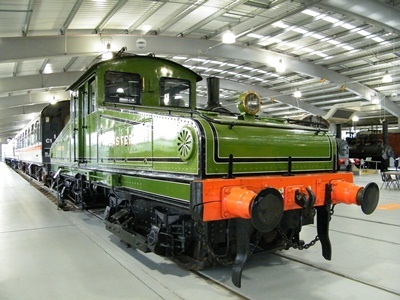
Newcastle was also pioneering in establishing one of the first city and suburban electric rail networks in the early 1900's. The network was based on the 3rd Rail system although the short freight only Quayside Branch had both overhead wires and the 3rd rail system in tunnels. Locomotives which could work on both operated the line, like this one preserved in the National Railway Museum at Shildon County Durham.
The "Electric Trains" were replaced by diesel and the lines de-electrified between 1963 and 1967. The network itself was re-electrified in the early 1980's to form the Tyne and Wear Metro System but not using the 3rd Rail system but overhead wires.
Not sure if any parallels can be drawn with the current stage of development of electric road transport. Overhead wires and power stations on motorways? probably not...
regards Neil